


At IVOQA, functional recovery begins from the earliest stages of the postoperative period. Whenever the patient’s clinical condition allows, our physical trainers and physiotherapists begin working directly with the patient in their hospital bed or in the ICU, in coordination with surgeons, oncologists, intensive care specialists and nursing staff.
This intervention forms part of IVOQA’s multidisciplinary approach and enhanced recovery programmes after surgery. The aim is to prevent hospitalisation and prolonged bed rest from causing unnecessary loss of strength, muscle mass, mobility and independence.

The programme is individually designed taking into account the type of surgery, the patient’s previous condition, functional capacity, postoperative progress and any complications that may arise.
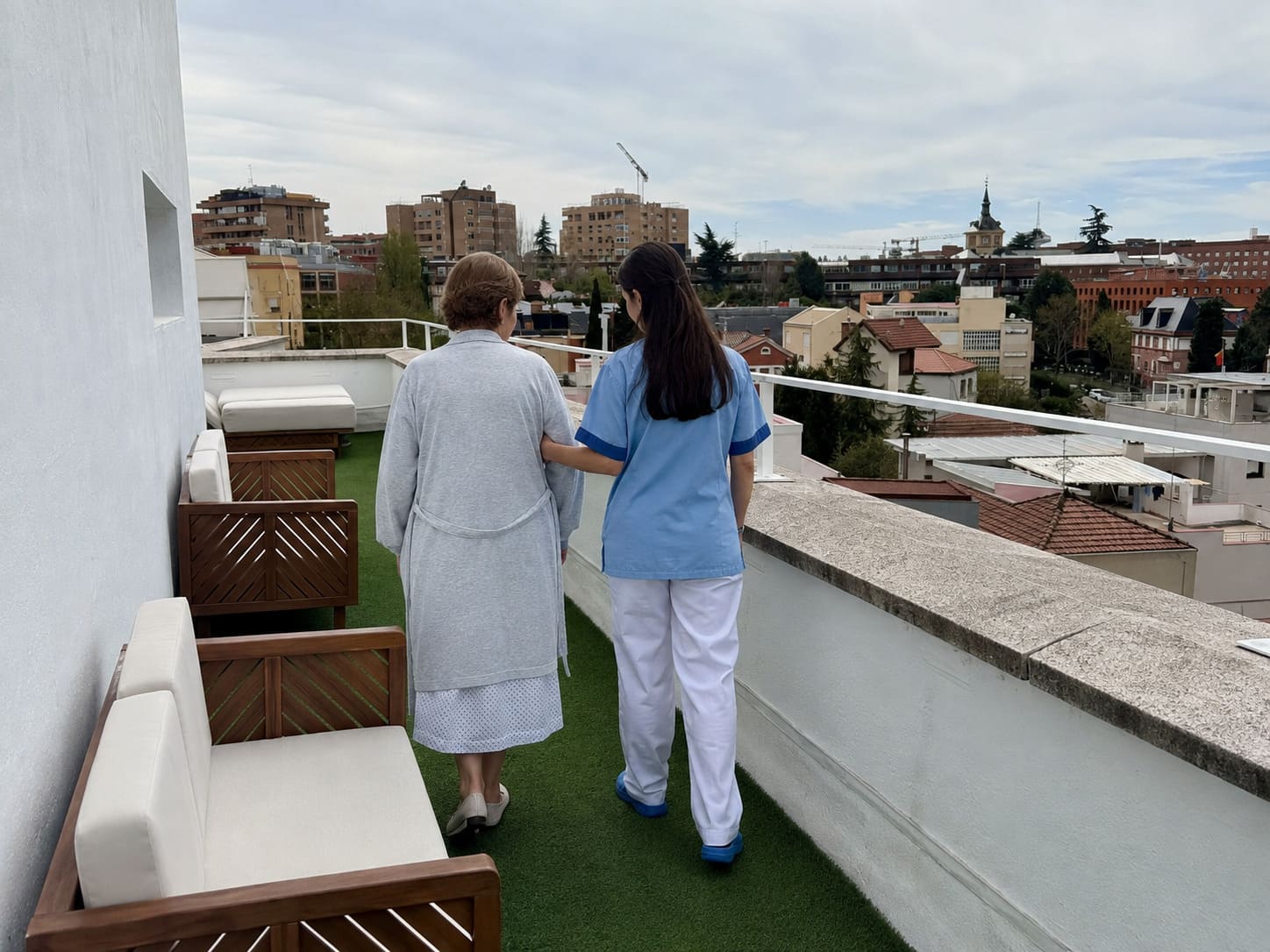
The first sessions can take place in bed and begin with simple, low-intensity exercises. As the patient progresses, the programme safely advances towards sitting upright, standing and walking.

Every day of immobility can affect a patient’s strength and functional capacity. For this reason, at IVOQA recovery does not begin after discharge, but during the hospital stay itself and, when indicated, in the ICU.
Supervised mobilisation and exercise are integrated into Enhanced Recovery After Surgery (ERAS) programmes and coordinated with other essential measures, including pain management, respiratory physiotherapy, nutritional support and psychological support.
The aim is to help patients progressively regain mobility, preserve muscle mass, reduce the consequences of prolonged bed rest and recover their independence as soon as possible.
Hospital-based training is adapted daily according to the patient’s clinical progress. Before each session, the team assesses how the patient is feeling, their level of pain and fatigue, respiratory capacity and any parameters considered relevant by the medical team.
The intensity and exercises can therefore change from one day to the next. In some cases, a session may be limited to breathing exercises or gentle movements in bed; in others, the patient may begin sitting up, standing or walking around the room and hospital corridors.

Discharge from hospital does not mean the end of the programme. Once the patient returns home, the IVOQA team adapts the training programme to the next stage of recovery.
Follow-up can continue in person at our specialised gym or through an online programme. This allows patients to maintain an individualised and supervised programme throughout the postoperative period, cancer treatment and subsequent recovery.


