


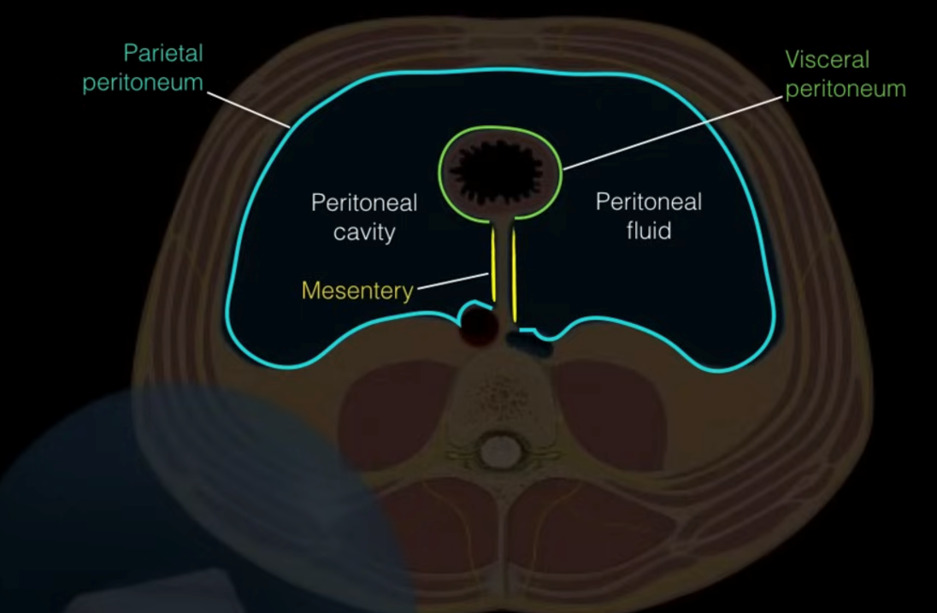
The accumulation of fluid in the abdomen is a common and distressing condition in oncology patients. At the Advanced Oncology Institute (IVOQA) at Viamed Santa Elena University Hospital, we address this symptom through cutting-edge local treatments designed to restore comfort and improve our patients’ quality of life.
What Is Ascites in Cancer Patients?
Ascites in cancer patients is the abnormal buildup of fluid within the peritoneal cavity, the space surrounding the organs inside the abdomen.
This condition typically develops during advanced stages of cancer and is commonly associated with symptoms such as significant abdominal swelling, a feeling of heaviness, discomfort, and pain.
Why Does Fluid Accumulate in the Abdomen?
The main cause of malignant ascites is peritoneal carcinomatosis, a condition in which cancer cells spread throughout the tissue lining the abdominal cavity.
This process most frequently originates from tumors located in:
- The ovaries
- The stomach (gastric cancer)
- The colon and rectum
- The appendix or pancreas
- Primary peritoneal mesothelioma
As malignant cells spread across the peritoneal membrane, they irritate the tissue and block the abdomen’s natural lymphatic drainage system. As a result, the body produces more fluid than it can reabsorb, leading to ascites.
Advanced Treatments: A Paradigm Shift with PIPAC and ePIPAC
Traditionally, ascites management was limited to repeated fluid drainage procedures (paracentesis) or conventional intravenous chemotherapy. Today, IVOQA offers a far more effective alternative that directly targets the root cause of the problem through Pressurized Intraperitoneal Aerosol Chemotherapy (PIPAC).
- Maximum Local Penetration: By delivering chemotherapy as a pressurized aerosol, PIPAC achieves deeper penetration into tumor-affected tissues, increasing local treatment effectiveness.
- Minimal Systemic Toxicity: Only a small amount of chemotherapy passes from the abdominal cavity into the bloodstream, significantly reducing side effects throughout the rest of the body.
- Electrostatic Evolution (ePIPAC): At IVOQA, we also offer ePIPAC technology, which uses an electrostatic field to improve the distribution of chemotherapy microparticles across the peritoneum while maintaining an excellent safety profile.
By directly targeting and controlling the tumor implants responsible for irritating the abdominal cavity, these treatments can dramatically reduce the production of ascitic fluid.
Request an Expert Assessment
If you or a loved one would like a second medical opinion regarding advanced management of ascites and peritoneal carcinomatosis, you can contact Dr. Delia Cortés-Guiral’s team at IVOQA through our standard appointment channels.


