
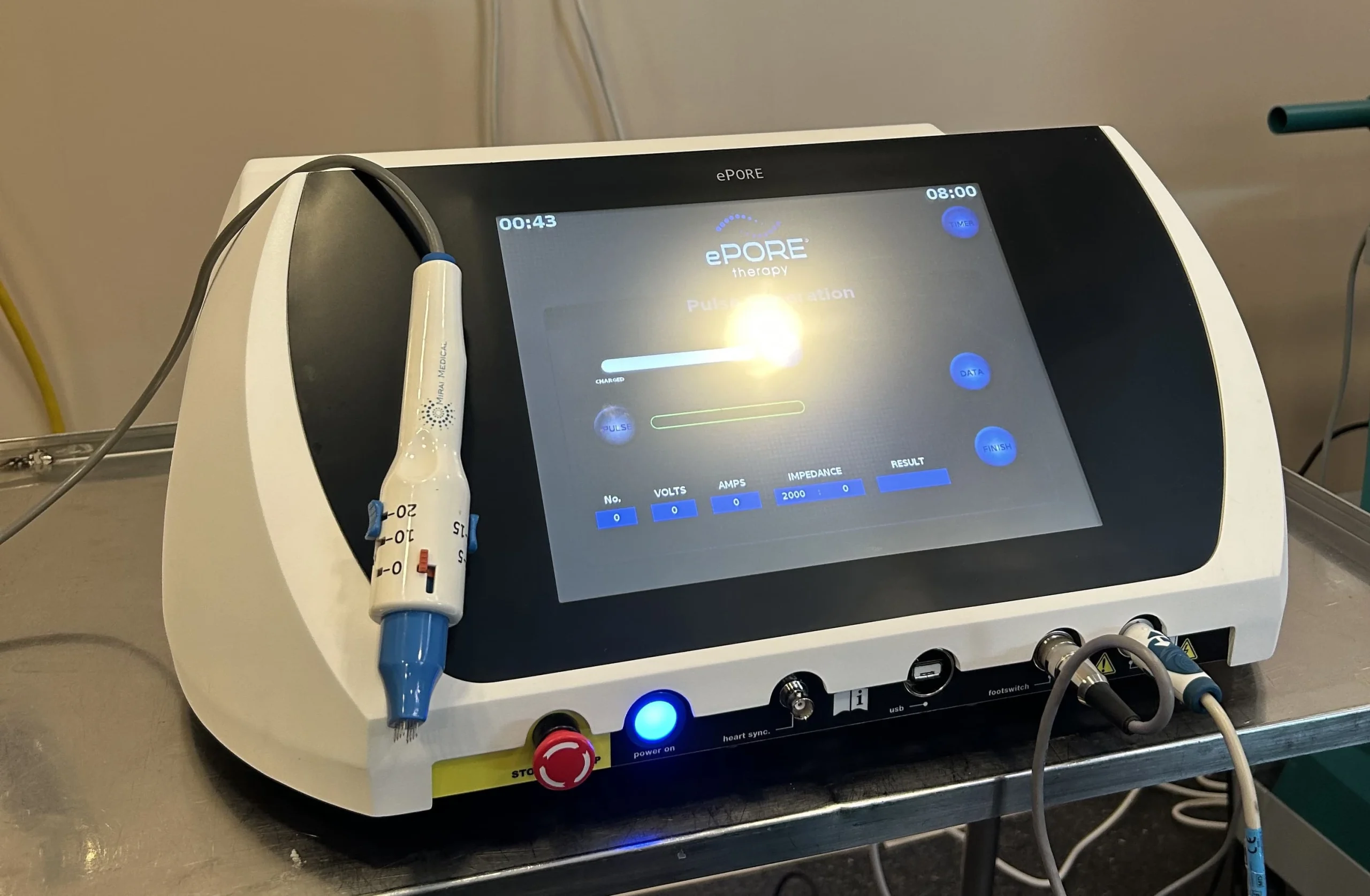

Electrochemotherapy
Electrochemotherapy is a minimally invasive oncological technique that combines the administration of chemotherapeutic drugs with controlled electrical pulses to increase the effectiveness of treatment in tumours that are difficult to approach surgically or radio-resistant.
At the Viamed Institute of Advanced Surgical Oncology (IVOQA), we offer this therapeutic option as part of the comprehensive management of localised tumours, particularly in cases with multiple, recurrent, or surgically challenging lesions. It is a minimally invasive procedure that improves local disease control while minimising functional and aesthetic impact.
Electrochemotherapy is a local technique that combines:

Chemotherapeutic agents such as bleomycin or cisplatin.

Short electrical pulses applied directly to the tumour area.
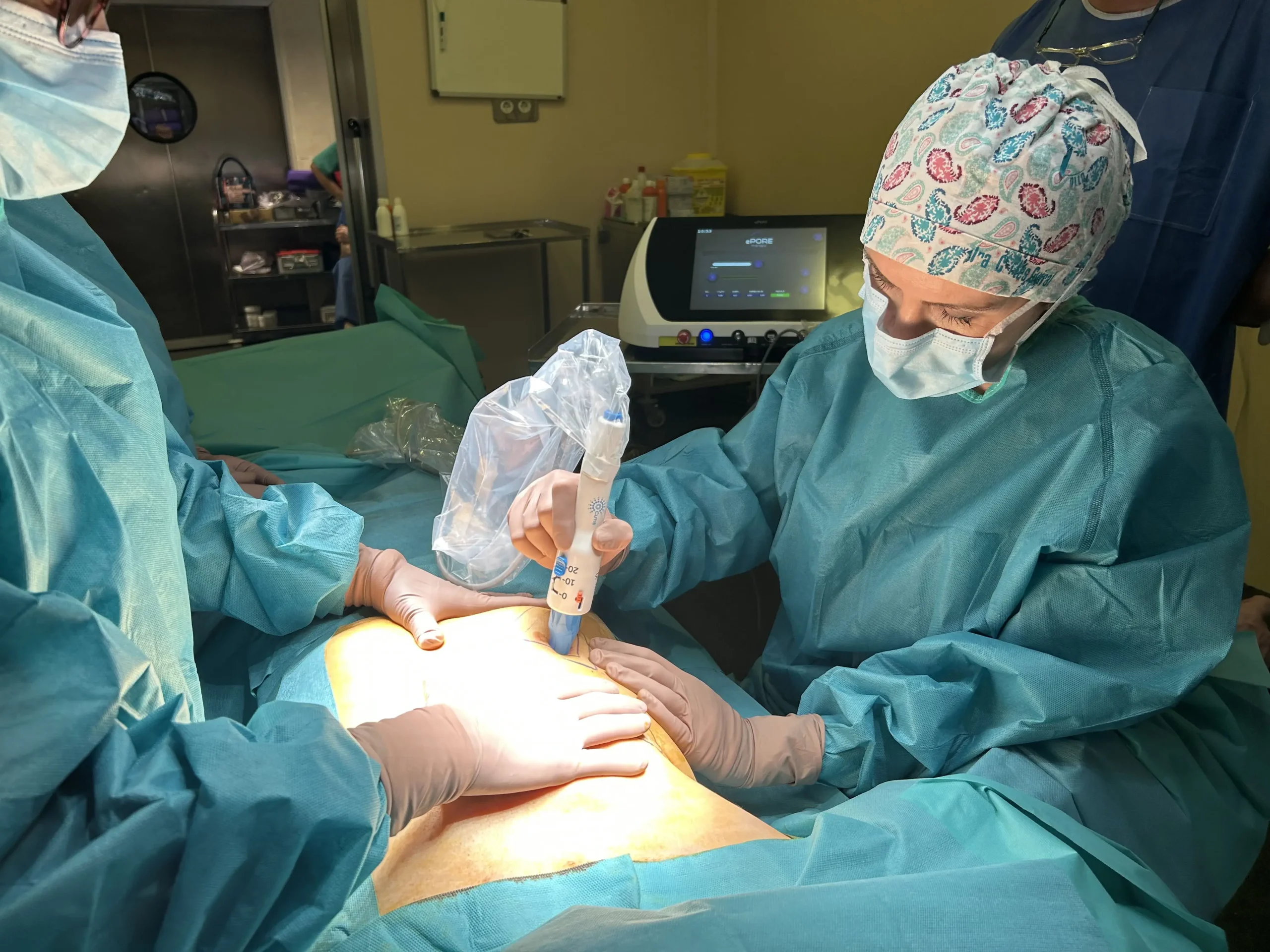
These pulses increase the permeability of the cell membrane, allowing greater drug penetration inside tumour cells, thereby multiplying its cytotoxic effect without significantly damaging healthy tissues.
Electrochemotherapy is indicated for cutaneous and subcutaneous metastases:
Gynaecological cancer and benign lesions:

Drug administration, either intravenously or intratumourally.

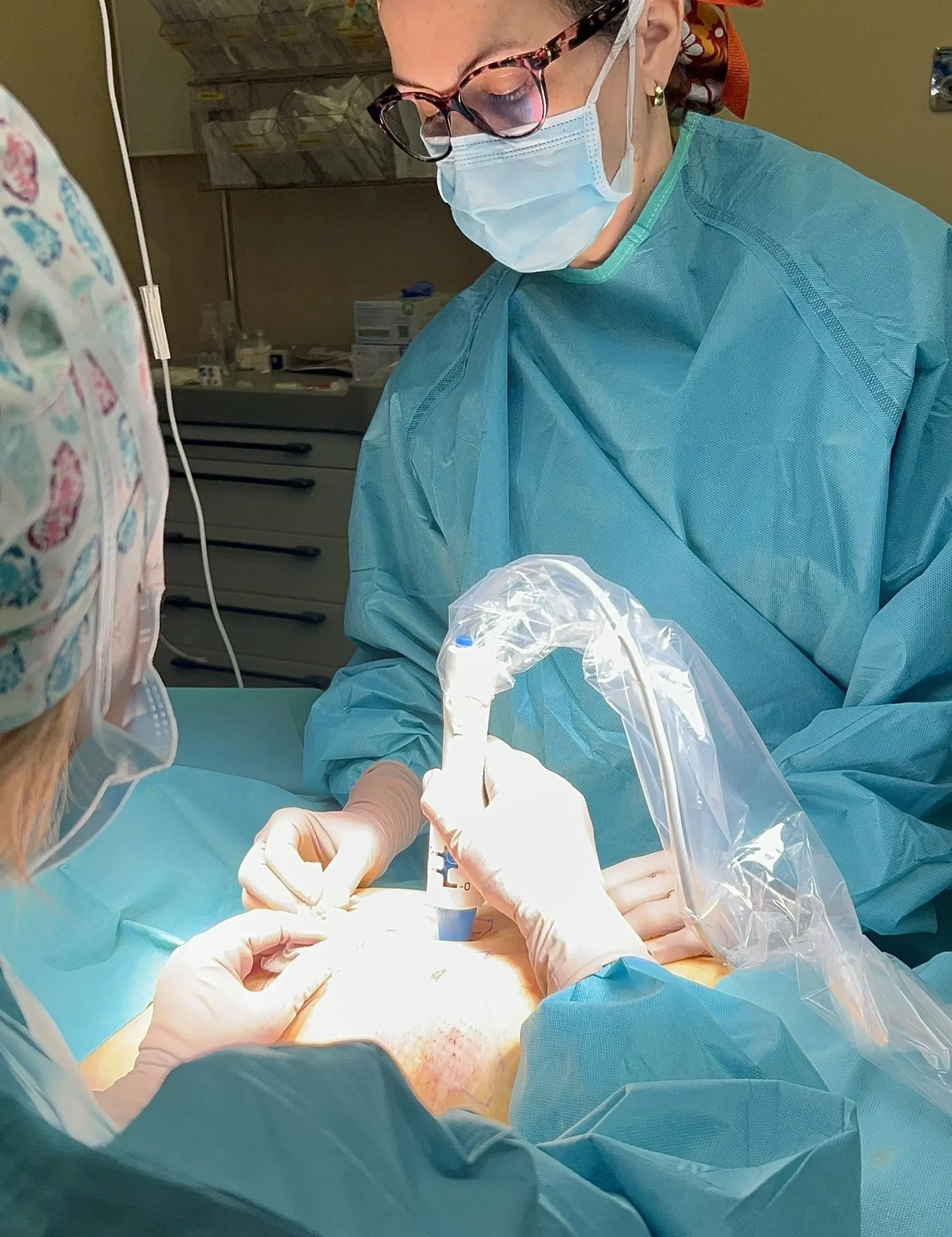
After a few minutes, localised electrical pulses are applied using special electrodes.

The procedure is generally performed under sedation or local anaesthesia and lasts around 30–60 minutes.

In most cases, it is carried out as an outpatient procedure or with a short hospital stay.


Clinical studies show a complete local response in more than 70% of treated cases, especially in superficial tumours of the skin or subcutaneous tissue.
In many patients, electrochemotherapy enables long-term tumour control, even when surgery or radiotherapy is not feasible.
Who may benefit from electrochemotherapy?
This treatment is particularly indicated for patients who:

Have recurrent or multiple cutaneous tumours.

Have contraindications for surgery or radiotherapy.

Seek an option with less functional and aesthetic impact.

Want a safe and effective alternative to conventional treatments.
No. It is performed under local anaesthesia or sedation and is well tolerated.
Results are generally observed within the first few weeks, with reduction in size or disappearance of treated lesions within 2 to 8 weeks, depending on individual response.
The most commonly used are bleomycin and cisplatin, selected according to the tumour type, route of administration, and patient characteristics.
Yes. It may be combined with surgery, radiotherapy, systemic chemotherapy, or immunotherapy, depending on the therapeutic strategy established by the multidisciplinary team. It does not replace systemic treatments when indicated, but it does improve local control.
It depends on the case. The medical team will assess whether it should be carried out before, during, or after other treatments, depending on the patient’s overall condition and disease progression.
In some cases, achieving local control may make subsequent surgery feasible for larger lesions.
Not always. In many cases, it has a palliative or local control purpose, particularly when complete surgical resection is not possible or cutaneous recurrences appear. For small and localised lesions, it may have curative intent.
There is no established maximum number. Treatment repetition may be considered if new lesions appear or residual disease persists, always weighing risks and benefits.
This depends on the size, type, and number of lesions. In most cases, a single session is sufficient.
Usually mild. Locally, there may be redness, swelling, or mild pain. Systemic side effects are rare. Some infrequent side effects may arise from bleomycin use, such as transient lung irritation, changes in skin colouration, thrombosis, altered kidney or liver function, or allergic reactions. Pneumothorax is rare in the treatment of thoracic or pectoral lesions.
Electrochemotherapy is mainly indicated for cutaneous or subcutaneous accessible lesions, but in some cases, it can be applied to deeper tumours, provided access and location allow.
In many cases, yes. IVOQA can provide the necessary documentation to manage authorisation with your insurance company. It is advisable to consult both the centre and the insurer beforehand.