


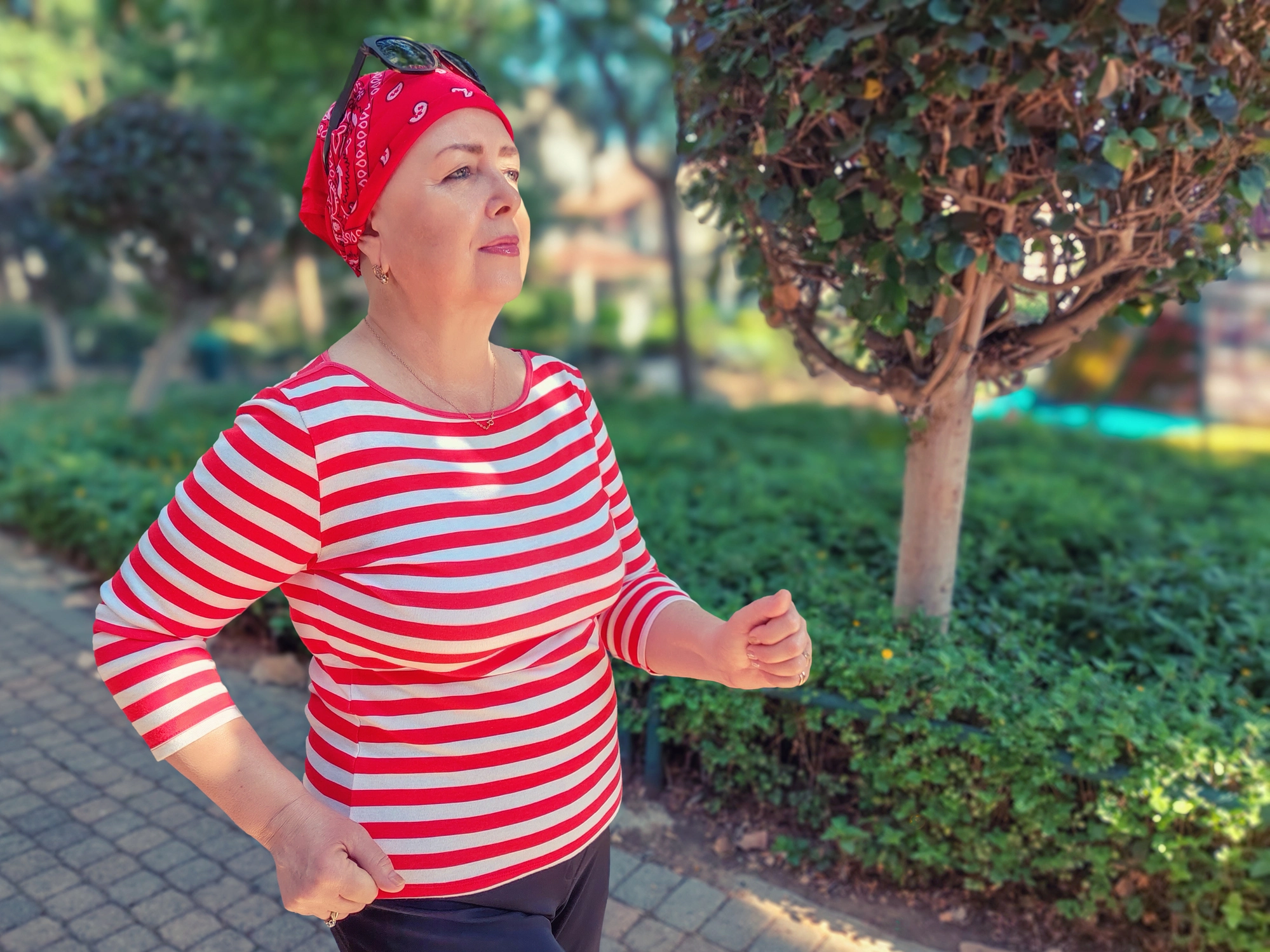
Physical activity plays a key role in recovery after cancer surgery. Not only does it promote physical rehabilitation, but it also provides significant emotional and psychological benefits. Gradually and safely incorporating movement helps reduce complications, improves overall well-being, and contributes to regaining independence.
In this article, IVOQA explains how to resume physical activity after cancer surgery, which exercises are recommended, and the key precautions you should take to progress safely and confidently. This article was developed in collaboration with Omar Tayara Rodríguez, a sports trainer specialized in oncology patients and founder of 4per4mance. His expertise in adapted physical training has been essential in providing a safe, accurate, and patient-centered guide.
Why is it important to move after cancer surgery?
Physical and emotional benefits of post-operative exercise
Starting to move after cancer surgery, always under medical supervision, offers numerous benefits:
- Prevention of post-surgical complications, such as deep vein thrombosis, joint stiffness, or muscle loss.
- Improved mood, energy, and sleep quality, promoting a positive attitude toward the recovery process.
- Accelerated functional recovery, facilitating a return to daily activities with greater independence.
Physical exercise also stimulates circulation, strengthens the immune system, and helps manage anxiety or stress that may arise during the cancer recovery process.
When and how to start exercising after cancer surgery?
Always consult with your medical team
Before starting any exercise routine after cancer surgery, it is essential to obtain authorization from the medical team. Each case is unique, and the activity must be adapted to the type of cancer, the surgery performed, and the patient’s overall physical condition.
An individualized program ensures not only safety but also the effectiveness of exercise in the cancer context.
Recovery phases and progressive activity
The reintroduction of exercise should be gradual. The usual phases are:
- Initial rest (as directed by your doctor).
- Gentle mobility: short walks indoors, gentle stretching.
- Structured exercise: physical therapy, guided training, more complete exercises as tolerated.
Some examples of recommended activities in the early stages are walking, range-of-motion exercises, respiratory physical therapy, and assisted stretching.
Recommended types of exercise after surgery
Gentle aerobic exercise
Activities such as walking, cycling on a stationary bike, or practicing gentle yoga are excellent for improving cardiovascular endurance without overloading the body. It is essential to adapt the pace and duration to the patient’s energy level and avoid overexertion.
Strengthening and mobility
Controlled muscle work helps prevent muscle loss and improve stability. Bodyweight exercises, elastic bands, or exercises under professional supervision are recommended to ensure proper execution and avoid injury.
Breathing and relaxation exercises
Particularly relevant in thoracic or abdominal surgery, these types of exercises help improve lung function and reduce anxiety. Diaphragmatic breathing techniques, guided meditation, or mindfulness are useful tools for connecting the body and mind during the recovery process.
Important precautions and warning signs
It is essential to listen to your body and recognize when a break or adjustment is needed. Pay attention to symptoms such as:
- Sharp or persistent pain.
- Dizziness, palpitations, or feeling faint.
- Excessive fatigue that does not improve with rest.
If any of these signs occur, stop the activity and consult your medical team. Safety should always be a priority.
Professional support for cancer recovery
Having specialized professionals on your side makes a big difference. At IVOQA, we work with oncology physical trainers and oncology-trained physical therapists who design personalized programs for each stage of recovery.
Our comprehensive approach combines medical care, emotional support, and physical rehabilitation, guiding each patient on their path to recovery.
Practical tips for resuming physical activity with confidence
- Listen to your body: every day is different and it is important to respect your body’s timing.
- Set realistic goals: focus on small daily achievements to stay motivated.
- Make movement a habit: integrating physical activity into your routine improves consistency and overall well-being.
Remember that exercise should not be a burden, but a tool for active recovery and personal empowerment.
Post-operative exercise not only speeds up recovery after cancer surgery, but also improves quality of life and emotional well-being.
At IVOQA, we believe in the power of movement as an essential part of comprehensive cancer treatment. In collaboration with 4per4mance, we offer an exclusive online personalized training service designed specifically for people with cancer.
Through our platform, each patient will receive an exercise program tailored to their diagnosis, physical condition, and personal goals. This program is updated weekly and can be easily followed from home, with the support of guided videos that detail each exercise.
Frequently Asked Questions about Physical Activity after Cancer Surgery
Why is it important to exercise after cancer surgery?
Exercise helps prevent complications such as thrombosis, improves mood, and speeds up functional recovery, promoting autonomy and overall well-being.
When can I start moving after surgery?
Always consult your medical team first. They will determine when and how to begin physical activity based on your type of cancer, surgery, and overall physical condition.
What types of exercises are recommended at the beginning?
Gentle activities such as walking, assisted stretching, and respiratory physiotherapy are recommended. Later, light aerobic, strength, and breathing exercises can be added.
What exercises should I avoid?
Avoid any activity not approved by your doctor or that causes pain, dizziness, palpitations, or excessive fatigue. Stop exercising if these symptoms appear and consult your doctor.
Is professional supervision necessary?
Yes. Working with oncological physiotherapists or fitness trainers ensures a safe and personalized exercise plan tailored to each stage of recovery.
What emotional benefits does exercise provide?
It boosts mood, reduces stress, improves sleep quality, and supports a positive mindset during the recovery process.
Can I exercise at home?
Yes. Programs like IVOQA and 4per4mance offer personalized online training with guided videos, allowing you to exercise safely and comfortably from home.
How can I stay motivated?
Set realistic goals, celebrate small achievements, and make movement a daily habit. Listen to your body and respect its pace.


