


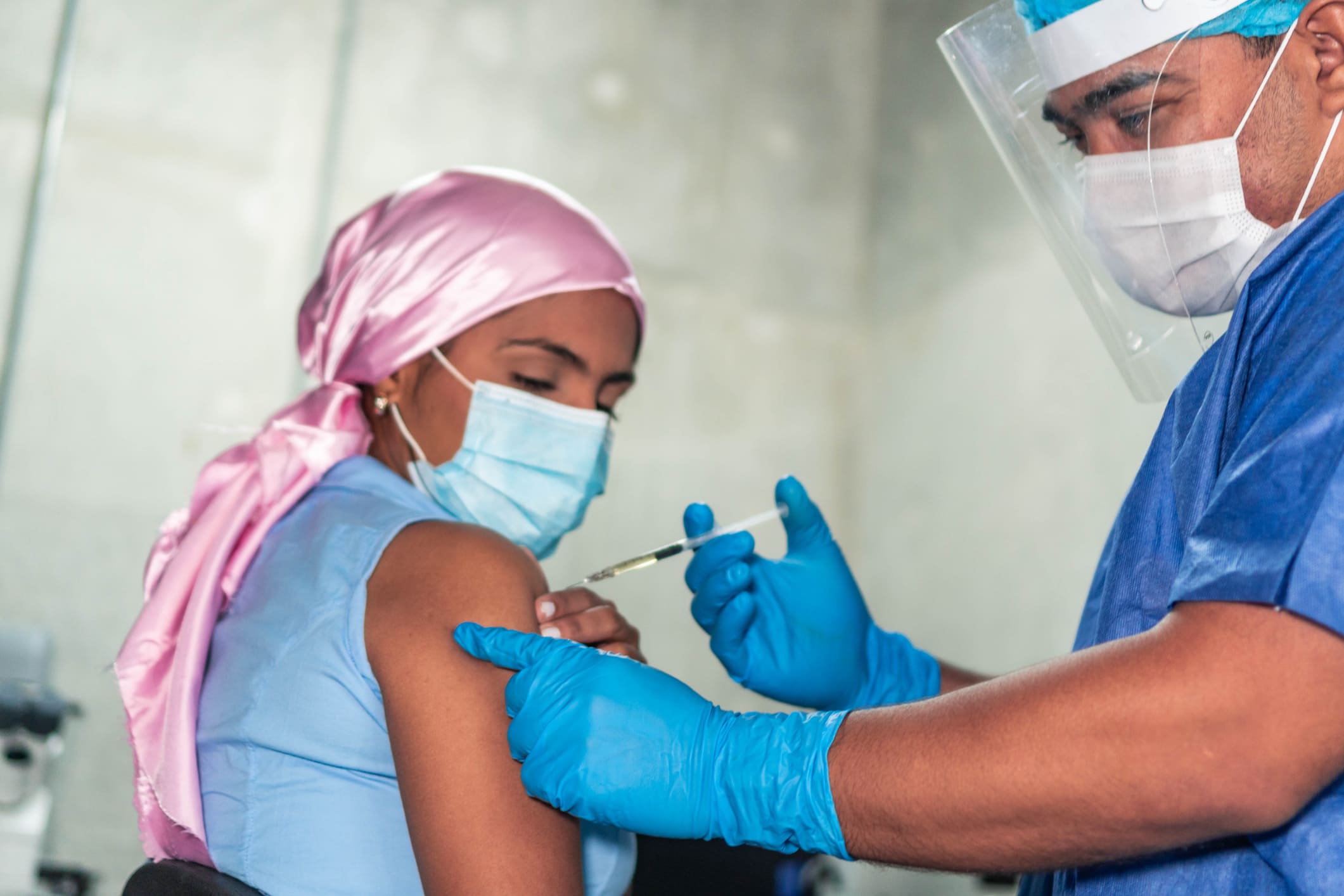
Vaccination is a fundamental tool for the prevention of infectious diseases, especially in cancer patients. People undergoing cancer treatment often have a compromised immune system, which makes them more susceptible to serious infections.
Infections can complicate treatment, delay chemotherapy or immunotherapy doses, slow recovery, and even put the patient’s life at risk. Therefore, it is essential to understand the importance of vaccination in these patients, as it can provide an additional form of protection against dangerous infections.
Why is vaccination important in cancer patients?
The impact of cancer and treatments on the immune system
Cancer and cancer treatments, such as chemotherapy, radiation therapy, or immunotherapy, can weaken or alter the patient’s immune system, leaving them more vulnerable to infections. Treatment can reduce the production of white blood cells, which are crucial for fighting infections, or affect the body’s ability to recognize and eliminate pathogens.
Risks of infections in immunocompromised patients
Cancer patients face a higher risk of infections, which can be more severe and difficult to treat due to their compromised immune system. Common infections, such as the flu, respiratory infections, or viral gastroenteritis, can lead to serious complications, such as pneumonia, which delay cancer treatment or worsen the prognosis.
Benefits of vaccination in the prevention of serious diseases
Vaccination in cancer patients offers additional protection against serious diseases. Vaccines stimulate the immune system to produce a response that defends the body against specific pathogens. By receiving the appropriate vaccines, patients can reduce their risk of contracting dangerous infectious diseases that could interfere with their treatment or overall health.
Recommended vaccines for cancer patients
Inactivated vaccines
Inactivated vaccines are generally safe for cancer patients, as they do not contain live microorganisms and cannot cause the disease they are intended to prevent. Among the most recommended are:
- Diphtheria, tetanus, pertussis (dTpa or Td): It is advisable to check previous vaccination status and assess individual risk of tetanus before starting or completing a primary vaccination series with Td in adults.
- Inactivated influenza: the influenza vaccine is very important, especially in winter, to prevent serious respiratory infections. One dose of inactivated vaccine should be given each season, at least for the first three seasons after chemotherapy.
- Pneumococcus: vaccination is indicated to protect against invasive disease and pneumonia caused by Streptococcus pneumoniae, diseases that can be especially dangerous in people with weakened immune systems. The administration of a sequential schedule will be assessed according to the pathology and the vaccines available.
- Hepatitis B: The hepatitis B vaccine is essential, as cancer patients are more susceptible to viral infections. A serological test should be performed before receiving cancer treatment and the risk of exposure to the virus should be assessed.
- COVID-19: COVID-19 vaccines are recommended for all cancer patients, as this disease can be particularly severe in people with compromised immune systems. One dose will be administered each season, although people with a high degree of immunosuppression may require an additional dose.
- Shingles: This disease is caused by the reactivation of the varicella zoster virus, so anyone who has previously had chickenpox may develop shingles. Cancer patients, due to immunosuppression caused by their own disease or by the immunosuppressive treatments they receive, have an increased risk of developing HZ and serious complications, such as postherpetic neuralgia, ophthalmic, neurological, or cardiovascular effects. Therefore, the herpes zoster vaccine is highly recommended for cancer patients, as it reduces the risk of developing the disease and complications.
Cancer patients who have undergone splenectomy (removal of the spleen) due to the presence of metastases require specific vaccination to prevent infections by encapsulated germs. In addition to the above, these individuals are recommended to receive the following vaccines:
- Meningococcus ACWY: administer 2 doses, with a minimum interval of 4 weeks between doses. A booster dose should be administered at 5 years of age, and the need for subsequent booster doses should be assessed.
- Meningococcus B: administer 2 doses, with a minimum interval of 4 weeks between doses. A booster dose should be administered one year after completion of the primary vaccination series, followed by a booster dose every 5 years.
- Haemophilus influenzae type b (Hib): a single dose should be administered regardless of age.
Attenuated vaccines: are they safe?
Attenuated vaccines contain weakened live viruses. Although they are effective, they are contraindicated in patients with compromised immune systems. In general, they should be avoided, except in specific cases where the oncologist authorizes them. Examples of attenuated vaccines include:
- Measles, mumps, and rubella (MMR).
- Chickenpox.
- Rotavirus.
In these cases, the oncologist will assess the risk and decide whether vaccination is appropriate and when is the best time to do it, depending on the type of treatment the patient is receiving.
The right time to vaccinate cancer patients
The ideal time to get vaccinated varies depending on the type of cancer treatment. In general, vaccines should be given before starting treatment or during periods when the immune system is strong enough to respond adequately. It is important to follow the oncologist’s instructions, as some vaccines may need to be given in additional doses or at specific times during treatment.
In general, inactivated vaccines should be administered at least 2 weeks before the start of immunosuppression and between 3 and 6 months after the end of immunosuppression. Attenuated vaccines should be administered at least 4 weeks before the start of immunosuppression and between 3 and 24 months after the end of immunosuppression, and are contraindicated throughout the period of immunosuppression.
Sometimes, depending on the type of cancer and the treatment they receive, cancer patients may require additional doses and boosters, so each case must be evaluated individually.
People who are vaccinated without observing the recommended minimum intervals or who are vaccinated during treatment should be considered as possible “non-responders,” and the advisability of receiving a booster should be assessed.
Vaccination and cancer treatments: special considerations
Impact of cancer treatments on vaccine response
Treatments such as chemotherapy, radiotherapy, and immunotherapy can affect the immune system’s ability to respond to vaccines. Patients undergoing chemotherapy, for example, may not generate an effective immune response if the vaccine is administered during a period of immunosuppression.
Periods when certain vaccines should be avoided
It is crucial that cancer patients consult with their oncologist before receiving any vaccine. During some treatments, such as chemotherapy, it may be necessary to wait until the immune system recovers before administering certain vaccines. Vaccination with live attenuated viruses should also be avoided during these periods.
Importance of consulting with your oncologist before getting vaccinated
Consultation with the oncologist is essential to determine the appropriate timing and vaccines for each patient, as treatments can affect the immune response and vaccination options.
Myths and facts about vaccination in cancer patients
- Can vaccines cause more serious adverse effects in cancer patients?
No, vaccines do not generally cause serious adverse effects, even in cancer patients. However, due to the nature of their treatments, some patients may experience side effects, most of which are mild or temporary, such as fever, muscle aches, or pain at the injection site.
- If I am undergoing treatment, should I not get vaccinated?
It is not true that cancer patients should not get vaccinated during treatment. In fact, vaccination is essential to protect patients from infectious diseases. The key is to coordinate the right time for vaccination with your oncologist, who will evaluate each case individually.
- Can vaccines interfere with cancer therapy?
Vaccines do not generally interfere with cancer treatments. However, they should be administered at specific times and, as mentioned above, certain vaccines, such as live virus vaccines, should be avoided during periods of immunosuppression.
Recommendations for family members and caregivers
Importance of vaccination in the patient’s environment
In order to reduce the chances of infection in cancer patients, it is vital that their family members, cohabitants, and caregivers keep their vaccination schedules up to date according to their age, with special emphasis on vaccination against influenza, pneumonia, and COVID-19, as well as against MMR and chickenpox, depending on the age of the cohabitant. This protects the patient by minimizing the chances of exposure to external infections.
As an additional precaution in immunocompromised patients (due to disease or treatment), after a child living with them has been vaccinated with certain vaccines, the following measures should be taken to prevent possible transmission of the vaccine virus to the patient:
- Rotavirus vaccine (oral): avoid any contact with the infant’s stool for 4 weeks after vaccination.
- Chickenpox vaccine: if the person living with the patient develops a rash after vaccination, contact with the lesions should be avoided.
- Oral vaccines against polio and Salmonella typhi T and 21 are contraindicated in people living with the patient.
- The intranasal flu vaccine (live attenuated) can be used in contacts.
Vaccination is a key protective measure for cancer patients, helping to prevent serious infections that could complicate their treatment and overall health. It is essential that patients consult with their oncologist before receiving any vaccine to ensure that it is safe and appropriate for their situation. By protecting patients with the right vaccines, unnecessary complications can be prevented and quality of life during cancer treatment can be improved.


