


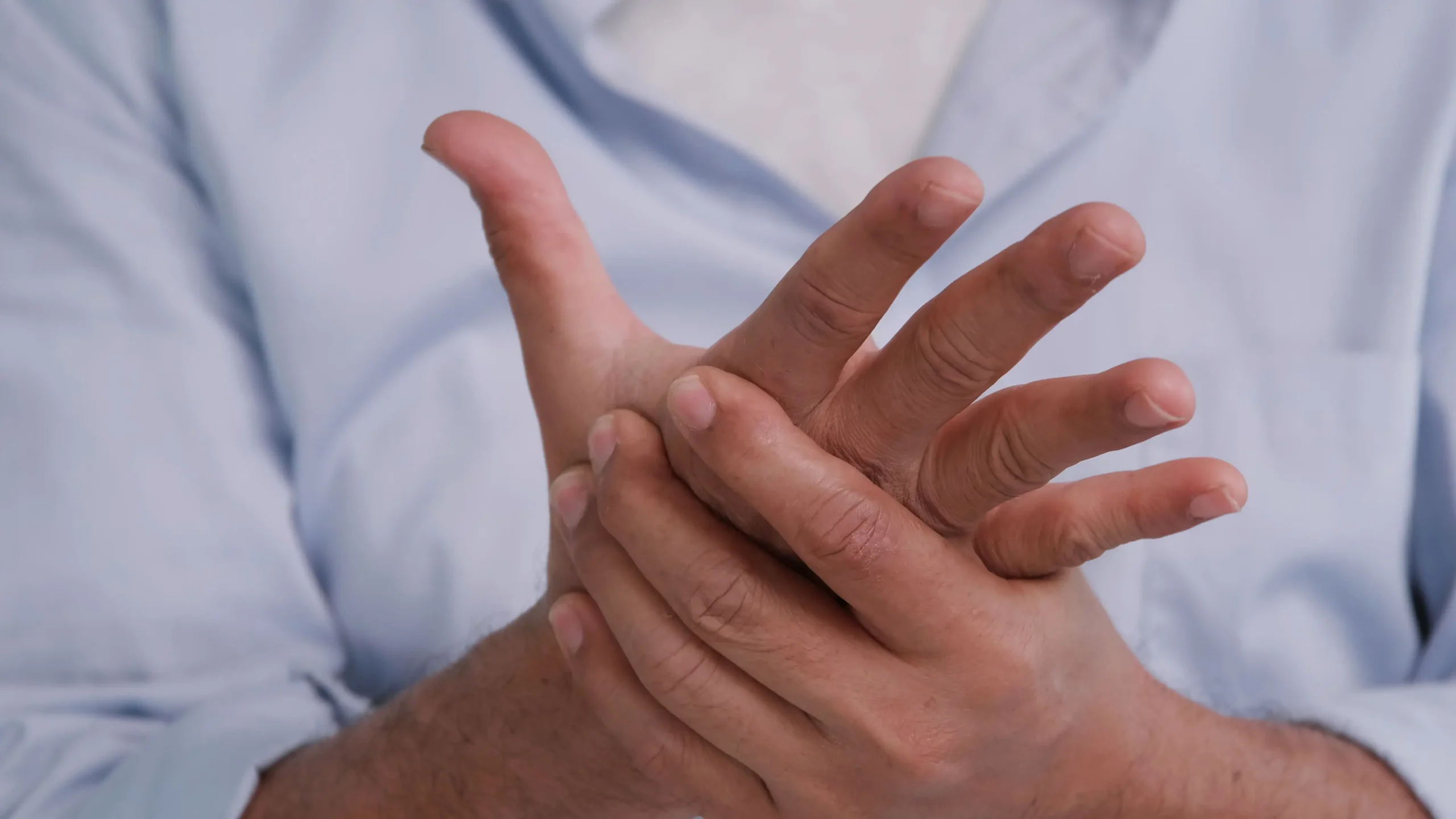
Do you notice a tingling sensation, numbness in your fingers, or difficulty performing fine motor tasks like buttoning a shirt? These symptoms may be signs of chemotherapy-induced peripheral neuropathy (CIPN), one of the most common side effects of certain oncological treatments.
While it can be uncomfortable and concerning, there are strategies to recognize it early and reduce its impact. To help us navigate this topic, we have the expertise of Dr. Esther Martín Holgado, an oncologist at GenesisCare and member of the IVOQA team, who provides essential guidance on how to protect your hands and feet during treatment and preserve your quality of life.
What is Chemotherapy-Induced Peripheral Neuropathy?
Peripheral neuropathy is the damage of the peripheral nerves, which are responsible for transmitting signals between the central nervous system and the extremities.
Some chemotherapy drugs target rapidly dividing cells but can also inadvertently affect these nerve fibers. The medications most frequently associated with this condition are taxanes (such as paclitaxel or docetaxel) and platinum-based compounds (especially oxaliplatin), both of which are common in many treatment regimens.
Symptoms: Beyond Tingling
Symptoms usually appear progressively and characteristically follow a “glove and stocking” pattern, affecting the hands and feet first:
- Tingling, burning, or electrical sensations.
- Decreased sensitivity to touch, heat, or pain.
- Difficulty with precision movements, such as picking up small objects.
- Hypersensitivity to cold, which is particularly common in patients treated with oxaliplatin.
The intensity of these symptoms can range from mild to limiting for daily activities.
When is it an Emergency? Warning Signs
Although peripheral neuropathy is often an expected side effect, certain situations require immediate medical evaluation:
- Intense and persistent pain that interferes with sleep or rest.
- Numbness that progresses beyond the hands and feet.
- Loss of strength or balance issues leading to frequent falls.
If you experience any of these symptoms, it is essential to contact your oncologist to discuss potential treatment adjustments.
Practical Measures to Protect Hands and Feet at Home
Simple daily habits can help reduce discomfort and prevent complications:
- Temperature Control: Check water temperature with your elbow or a thermometer before showering or washing dishes.
- Proper Footwear: Wear closed, wide-fitting shoes and inspect the inside for debris before putting them on.
- Household Tasks: Use gloves when handling cold or hot objects and while cooking.
- Fall Prevention: Ensure your home is well-lit and avoid rugs or slippery surfaces.
Treatment and Rehabilitative Approach
Currently, there is no specific curative treatment, but there are effective options to manage symptoms and improve functionality:
- Pharmacological Treatment: Specific medications for neuropathic pain, prescribed and adjusted by your medical team.
- Oncology Physiotherapy: Balance, mobility, and desensitization exercises that aid in functional recovery.
- Close Clinical Monitoring: Allows the medical team to adapt the chemotherapy dosage without compromising its efficacy.
A Slow but Manageable Process
Chemotherapy-induced peripheral neuropathy usually evolves gradually. With medical follow-up, preventive measures, and a multidisciplinary approach, it is possible to reduce its impact and preserve your quality of life during cancer treatment.
The information provided here is for guidance only. Always consult your oncologist regarding any symptoms or concerns related to your treatment.


