


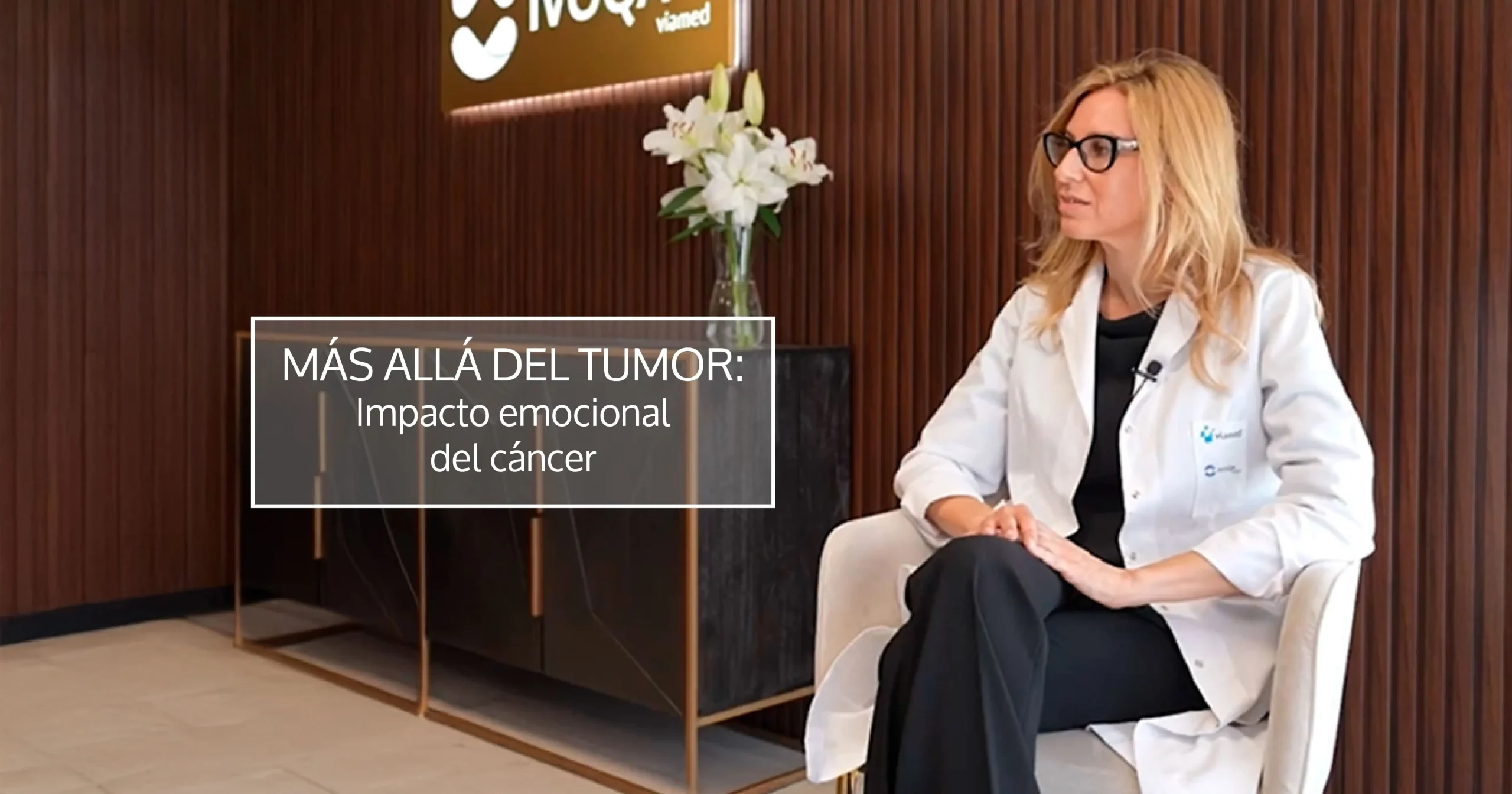
As part of the series Beyond the Tumor: Answering Questions About Ovarian and Breast Cancer, organized by IVOQA and the AMOH Association, Belén Pérez Peiró, psycho-oncologist at IVOQA, reflects on the emotional impact of cancer and the importance of supporting patients not only from a medical perspective but also from a human and emotional one. This approach is part of clinical psycho-oncology, a key discipline in the comprehensive management of cancer.
Cancer Affects Not Only the Body but Also the Mind and Heart
A cancer diagnosis generates a strong emotional impact both on the patient and on her surroundings. According to Belén Pérez Peiró, it is common to experience:
- Fear, anxiety, or uncertainty about the future.
- Changes in self-esteem and body image.
- Difficulties in personal and family relationships.
- A sense of loss of control over one’s own life.
These psychological effects are common across all types of cancer and can directly influence clinical outcomes and adherence to treatment.
Supporting Through Listening and Empathy
Psycho-oncology provides tools to face the cancer process from a comprehensive perspective. Emotional support:
- Helps manage stress and difficult emotions.
- Promotes adherence to medical treatments.
- Improves quality of life during and after treatment.
- Provides a safe space to express fears, doubts, and needs.
This professional support also reduces the risk of disorders such as depression or generalized anxiety disorder in cancer patients, contributing to a truly humanized approach.
A Comprehensive, Person-Centered Approach
Belén Pérez Peiró emphasizes that cancer treatment must go beyond the physical dimension. At IVOQA, the model of care includes psychological support as an essential part of treatment, recognizing that emotional health is just as important as medical care. The joint work of oncologists, psycho-oncologists, and other specialists allows for personalized care based on active listening, respect, and empathy.


