


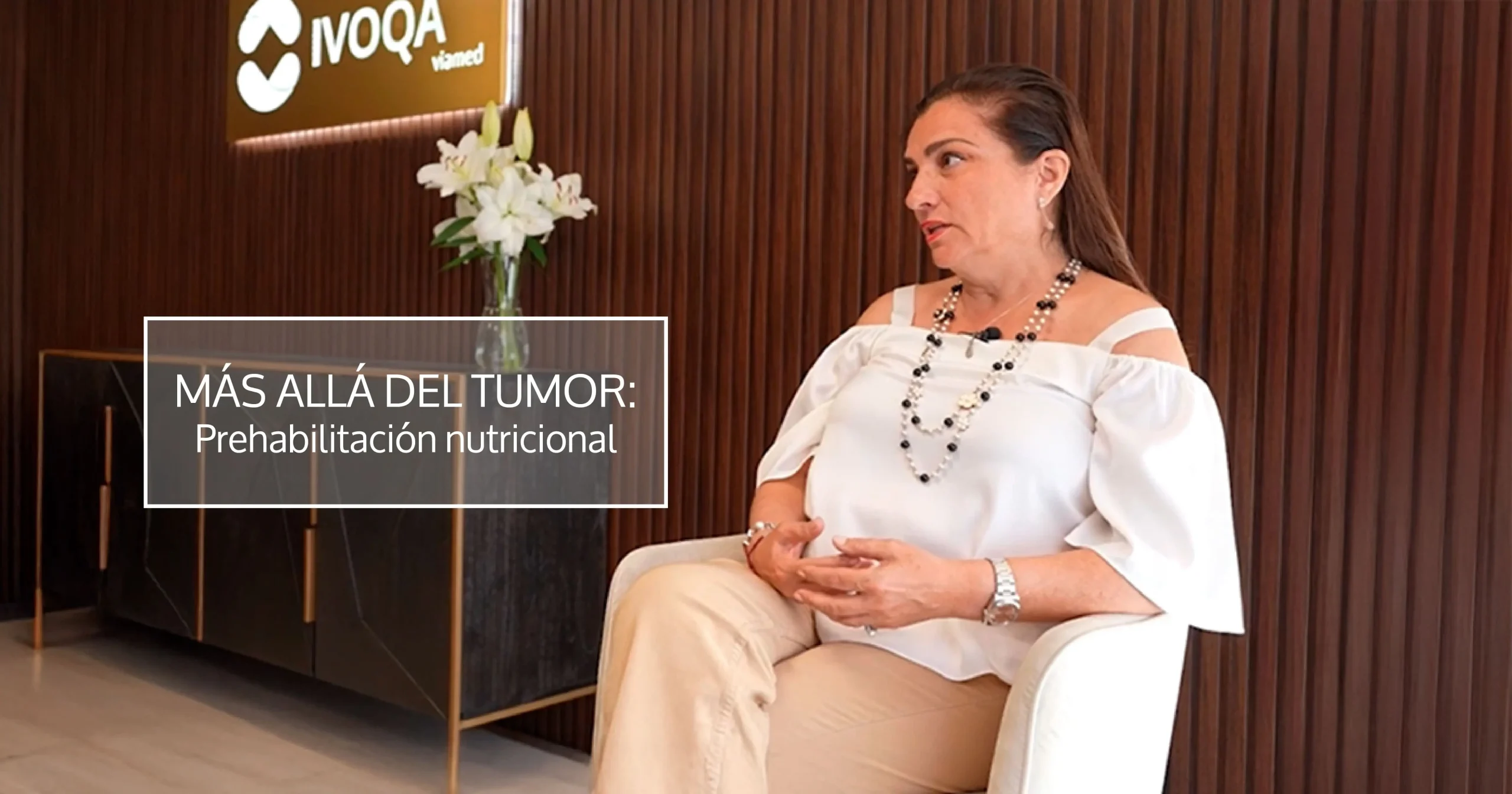
In a new edition of the series Beyond the Tumor: Answering Questions About Ovarian and Breast Cancer, organized by IVOQA and the AMOH Association, Dr. Ana Moreno Collado, specialist in nutritional prehabilitation and palliative care at IVOQA, discusses the importance of proper nutrition before oncologic surgery and debunks common myths about the relationship between food and cancer. This approach is an essential part of the multidisciplinary management of oncology patients, where nutritional care is gaining increasing recognition.
Why is nutrition important before oncologic surgery?
Nutritional prehabilitation is a strategy designed to optimize the patient’s physical and metabolic condition before surgery. According to Dr. Moreno, good nutrition during this stage:
- Improves postoperative recovery.
- Reduces the risk of complications.
- Increases tolerance to cancer treatments.
- Contributes to the patient’s emotional well-being.
An adequate nutritional intervention before surgery can even improve long-term oncologic outcomes by strengthening the immune system and reducing surgical metabolic stress.
Myths and facts about diet and cancer
During her talk, Dr. Moreno also clarified several widespread misconceptions among patients and families, such as:
“There are no foods that cure cancer or foods that cause cancer.”
The specialist emphasizes the importance of individualized diets and professional guidance from oncology nutrition experts. Each patient has specific needs depending on the type of tumor, treatment, and prior nutritional status. Therefore, generic or restrictive diets can be harmful.
A comprehensive approach to patient care
This perspective is part of IVOQA’s integrated care model, which combines oncology, nutrition, palliative care, and emotional support to improve the quality of life of people with cancer. Clinical nutrition is considered a therapeutic tool, not a secondary complement, and is integrated from diagnosis through recovery or palliative treatment. Dr. Moreno highlights that nutrition plays a therapeutic, not merely supportive, role.


